Agent vs. Direct Company: Decoding the Asian Casino Distribution Model
The Asian online gaming landscape is a complex ecosystem, vastly different from the centralized structures common in Western markets. To understand how platforms thrive in this region, one must look at the two primary distribution methods: the Agent Model and the Direct Company Model. While the industry continues to evolve, especially with the release of the MEGA888, these two paths remain the pillars of how games reach the end-user. Whether you are a casual player or a business enthusiast, understanding these mechanics is essential to navigating the digital casino space in Asia.
The Agent Model: A Relationship-Driven Network
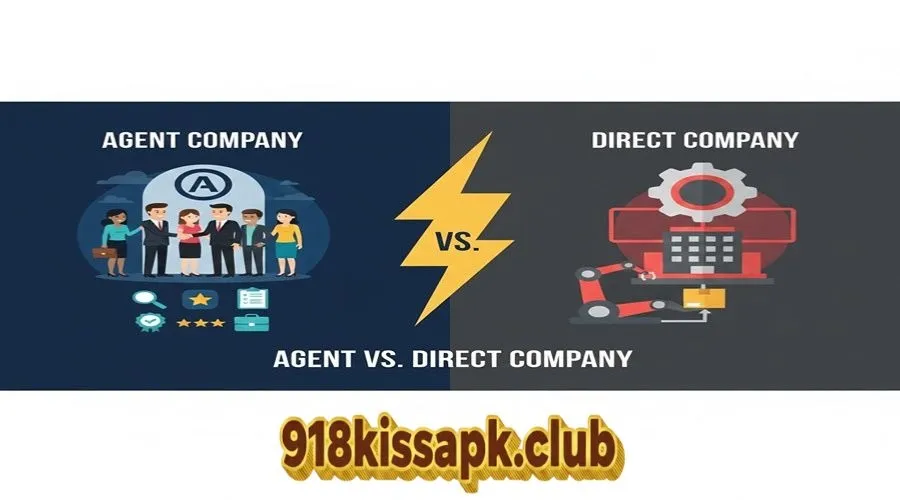
In much of Southeast Asia, trust and local presence are the currencies of commerce. This is why the Agent Model is the most dominant distribution strategy. In this system, the "Master Company" or game developer (like Mega888) acts as the wholesaler. They do not typically deal with players directly. Instead, they provide "credits" and "kiosks" to a hierarchy of agents.
The hierarchy usually looks like this:
- Master Company: The developer of the software.
- Master Agent: Large-scale distributors who buy credits in bulk.
- Sub-Agent: Local representatives who manage a smaller group of players.
- Player: The end-user who interacts directly with the Sub-Agent for deposits and withdrawals.
In this model, the agent is responsible for customer service, marketing, and—most importantly—financial transactions. In regions where traditional banking for gaming is restricted, agents act as local "cashiers." They accept local bank transfers or e-wallets and manually top up the player’s account. This human-to-human connection builds a layer of "Guanxi" (relationship-based trust) that a faceless corporation often struggles to achieve.
The Direct Company Model: The Modern "Super App" Approach
Conversely, the Direct Company model is becoming increasingly popular with the rise of modern e-commerce and secure payment gateways. In this scenario, the operator manages the entire lifecycle of the player. There are no middlemen; the player interacts directly with the company’s official website or app.
The direct model relies heavily on technology. Instead of an agent manually adding credits, the system uses automated API integrations to process deposits. This model offers several advantages:
- Consistency: Every player receives the same promotions and service levels.
- Transparency: Payouts are handled by a central system, reducing the risk of an individual agent disappearing.
- Speed: With the mega888 new version, direct platforms often feature faster loading times and integrated "instant-deposit" wallets.
However, the direct model faces challenges in markets with strict financial regulations. Without the "agent buffer," companies must find creative ways to process payments while maintaining player anonymity and security.
Comparing the Two: Which is Right for the Player?
Choosing between an agent-led platform and a direct company often comes down to personal preference and local availability.
| Feature |
Agent Model |
Direct Company |
| Trust Source |
Personal relationship with the agent. |
Brand reputation and licensing. |
| Payments |
Localized, manual, and often via chat apps. |
Automated gateways and crypto. |
| Support |
1-on-1 personalized service. |
24/7 centralized live chat. |
| Promotions |
Custom deals offered by the agent. |
Standardized company-wide bonuses. |
For many, the Agent Model feels safer because there is a "real person" to hold accountable. If a player has an issue with the mega888 new version, they simply message their agent. In contrast, the Direct Model appeals to the tech-savvy generation that prefers the efficiency of automated systems and the security of a large, established brand.
The Impact of the Mega888 New Version
The transition to the mega888 new version has bridged the gap between these two models. Modern software now includes "Agent Management Systems" (AMS) that allow agents to operate more like a direct company, with automated reporting and better security. Simultaneously, direct companies are adopting "Social Features" to mimic the personalized feel of the agent experience.
Regardless of the model, the core goal remains the same: providing a seamless, secure, and entertaining gaming experience. As the digital infrastructure in Asia matures, we are likely to see a "Hybrid Model" where agents focus on community building while the central company handles the heavy lifting of security and game fairness.
 WhatsApp